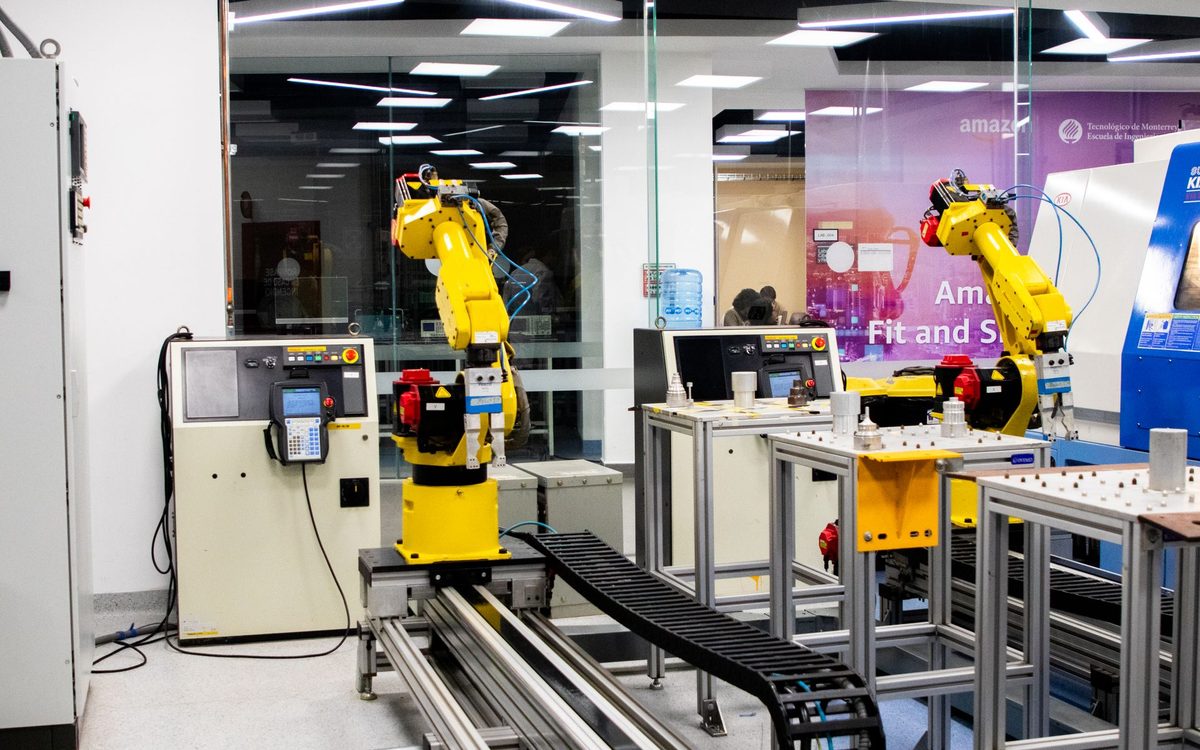
Offline programming and simulation get treated as a line item to cut when a quotation looks expensive. That is usually a false economy, and the reason is straightforward: the hours do not disappear, they move to your shop floor where they cost far more.
Reach and access, proven before steel is cut
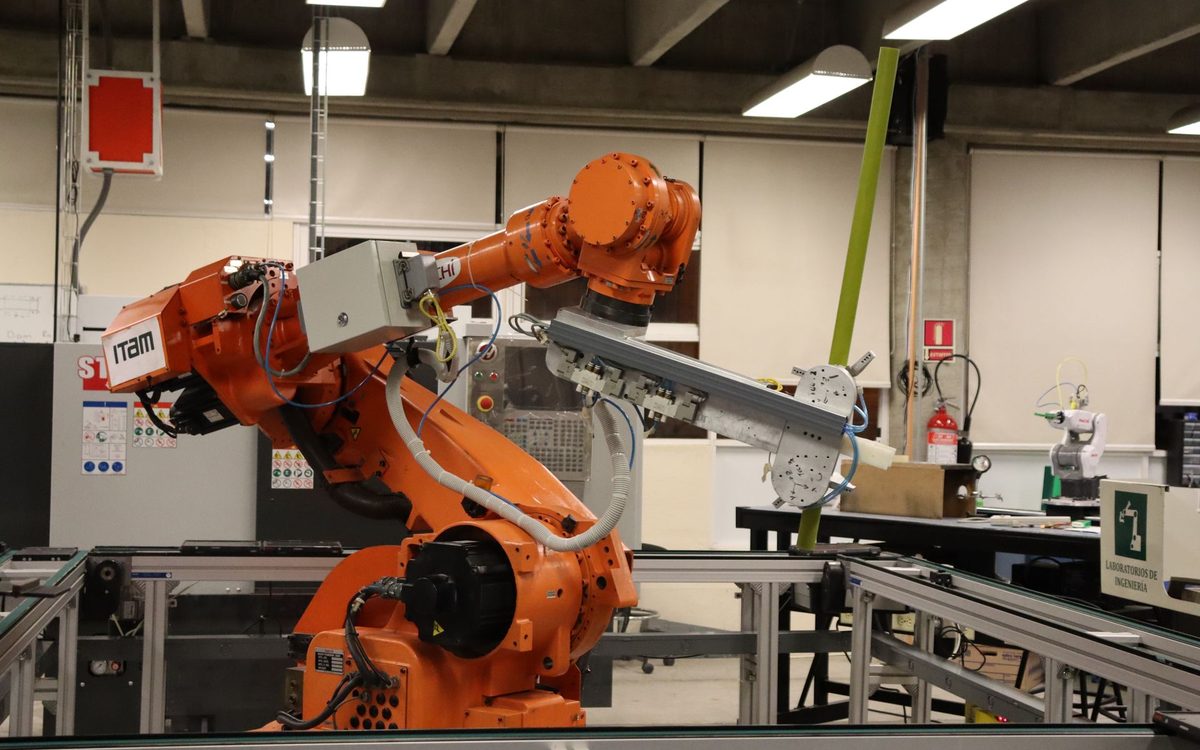
The most expensive discovery on any cell is that the robot cannot reach a feature at an acceptable torch angle. Found in simulation, it is a layout change costing an afternoon. Found at commissioning, it is a re-designed fixture, a re-scheduled build and a delayed line.
Cycle time you can actually commit to
Simulated cycle time is not a guess. With correct motion profiles and process times it lands close enough to reality to underwrite a contractual figure — which means you can plan production around the cell before it exists.
Collision-free paths
Multi-robot cells are where this pays hardest. Interference zones, hand-off timing and shared workspace sequencing are difficult to reason about on paper and trivial to verify in simulation.
Where it does not help
Simulation will not tell you how a real weld behaves on real material, how a gripper handles a part with genuine surface variation, or how the process drifts across a shift. Those still need trials. Honest offline programming shortens commissioning; it does not remove it.
- Layout and reach validated before build
- Cycle time committed with confidence
- Collision-free multi-robot sequencing
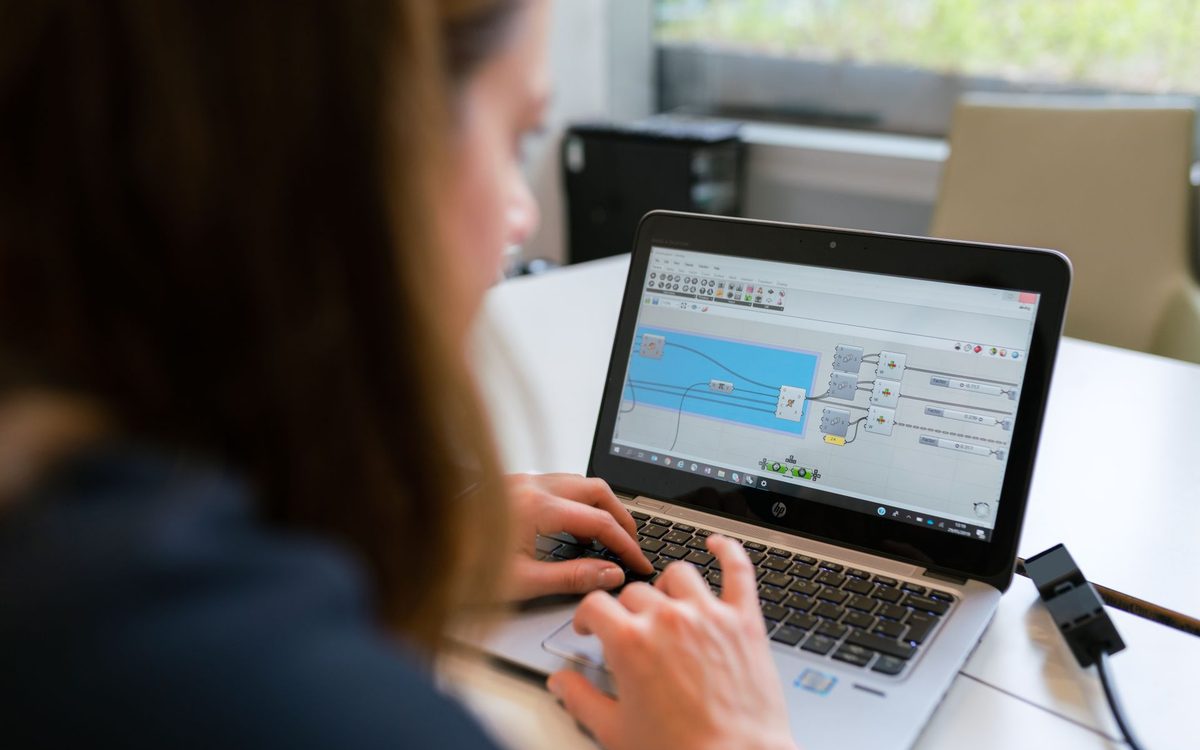
- Programmes largely written before the cell is powered
- On-site commissioning reduced to process tuning